7 Early Signs and Symptoms of PCOS Every Woman Should Know
Polycystic Ovary Syndrome (PCOS) is a common hormonal and metabolic condition affecting women of reproductive age. It can influence menstrual cycles, ovulation, skin health and overall well-being. Recognising the symptoms early can help women seek appropriate medical advice.
### What Is PCOS?
PCOS is a condition in which hormonal changes affect the normal functioning of the ovaries. Some women experience increased androgen levels and irregular ovulation. Multiple small follicles may be visible on an ultrasound, but ovarian cysts are not necessary for a PCOS diagnosis.
### 7 Common Signs and Symptoms of PCOS
**1. Irregular Periods:** Delayed, missed or infrequent periods may occur because of irregular ovulation.
**2. Excess Facial and Body Hair:** Increased androgen levels may cause unwanted hair growth on the chin, face, chest or abdomen.
**3. Persistent Acne:** Hormonal changes may increase oil production and cause acne on the face, jawline, chest or back.
**4. Weight Changes:** Some women experience weight gain or difficulty managing their weight, sometimes associated with insulin resistance.
**5. Hair Thinning:** Hormonal changes may contribute to thinning hair on the scalp.
**6. Difficulty Getting Pregnant:** Irregular ovulation can make conception difficult for some women, although many women with PCOS can become pregnant with appropriate care.
**7. Darkened Skin Patches:** Dark, thickened skin around the neck, underarms or groin may be associated with insulin resistance.
### What Causes PCOS?
The exact cause is not fully understood. Contributing factors may include hormonal imbalance, insulin resistance, genetic factors and metabolic influences.
### How Is PCOS Diagnosed?
A gynaecologist reviews symptoms, menstrual history and medical background. Depending on the findings, evaluation may include physical examination, hormone tests, blood glucose testing and pelvic ultrasound. Other conditions that cause similar symptoms may also need to be ruled out.
### Treatment Options for PCOS
Treatment is personalised according to symptoms and pregnancy plans.
**Lifestyle Management:** A balanced diet, regular exercise and healthy weight management can support metabolic health.
**Menstrual Regulation:** Medication may be prescribed to regulate periods and protect the uterine lining.
**Acne and Hair Growth Management:** Appropriate medicines or dermatological treatments may help manage these symptoms.
**Insulin Resistance Management:** When indicated, doctors may recommend lifestyle changes and medication.
**Fertility Support:** Women experiencing difficulty conceiving may benefit from ovulation assessment and fertility treatment.
### Can PCOS Be Managed Through Lifestyle Changes?
Healthy habits can support PCOS management. Follow a balanced diet, stay physically active, get sufficient sleep, manage stress and attend regular medical follow-ups. Lifestyle changes may complement but do not always replace medical treatment.
### When Should You Consult a Gynaecologist?
Seek medical advice for repeatedly irregular periods, excessive facial hair, persistent acne, unexplained weight changes or difficulty getting pregnant. If you have no period for three months or more and are not pregnant, arrange a medical evaluation.
### Expert Women's Healthcare at RK Hospital & Research Center, Indore
PCOS can affect menstrual health, hormonal balance, metabolism and fertility. Timely diagnosis and personalised care can help manage its symptoms.
At RK Hospital & Research Center, Indore, women can consult Dr. Neeti Gupta, Gynaecologist, for evaluation and guidance regarding PCOS, menstrual irregularities and other women's health concerns.
Take the first step towards better hormonal and reproductive health with timely medical consultation.
Contact RK Hospital & Research Center, Indore, for consultation.
Disclaimer: This blog is for general educational purposes only and is not a substitute for professional medical advice, diagnosis or treatment.
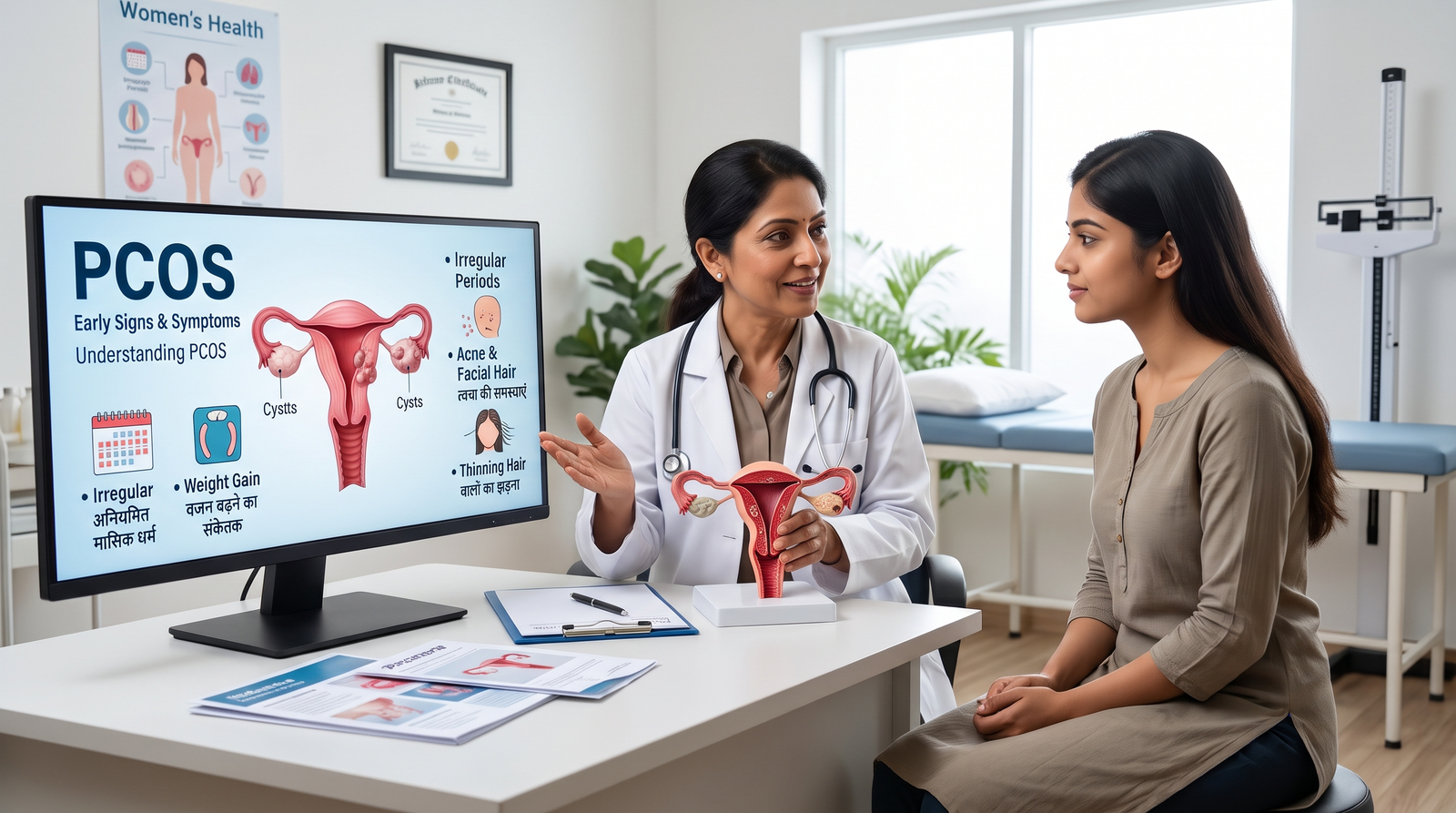
Polycystic Ovary Syndrome (PCOS) is a common hormonal condition that affects women during their reproductive years. It can cause irregular periods, acne, unwanted facial hair, weight changes and difficulty with ovulation. Recognising the early signs and symptoms of PCOS is important for timely diagnosis and proper management. With medical guidance, lifestyle changes and appropriate treatment, women can manage PCOS and improve their overall reproductive health.
Share This Article: